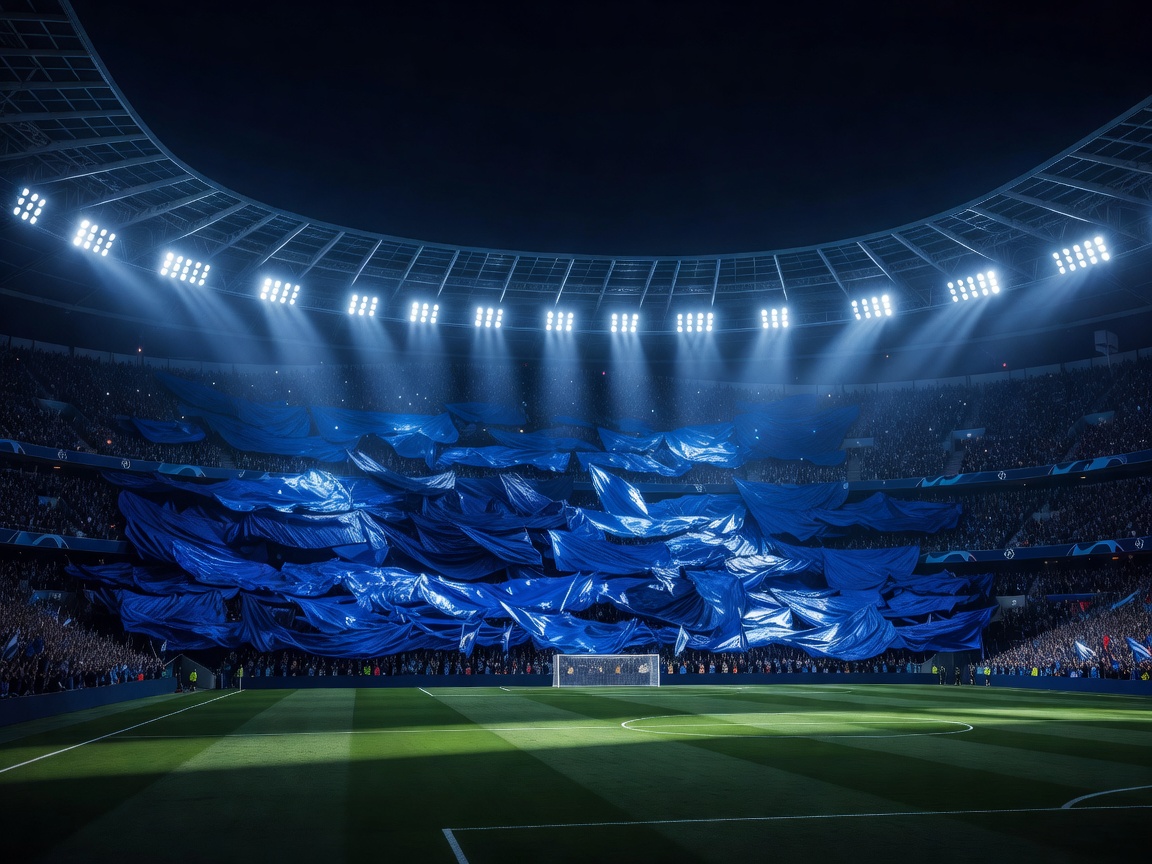
Why the month feels different
The first continental rounds can still carry the looseness of a new campaign. By October, that softness fades. Coaches know which combinations are working, supporters have a better read on how domestic form is carrying into Europe, and every dropped point begins to shape later risk. That is true whether the opponent is one of the established heavyweights or a club that has reached this level through a strong domestic finish. The atmosphere changes because the margin for experimentation narrows.
For clubs such as Real Madrid, Bayern Munich, Barcelona, Inter, Arsenal, Manchester City or Paris Saint-Germain, the basic expectation is not merely to compete but to control. Yet October often exposes how difficult control is in Europe. A side can dominate the ball at home in its own league, then spend long stretches adjusting to a more aggressive press, a deeper defensive block or a much more patient tempo than it is used to. Those shifts rarely look dramatic in a highlight reel. They matter all the same.
Squad depth becomes visible
October is the point at which squad depth stops sounding like a general virtue and starts behaving like a practical advantage. A weekend league fixture followed by a midweek trip and then another league match asks for small compromises. The issue is not only fatigue. It is recovery time, training time and the difficulty of changing a plan between competitions. Clubs with reliable full-back cover, an extra central midfielder who can protect a lead, or more than one credible centre-forward usually look calmer in this stretch.
That is why the same result can mean different things for different teams. A draw away from home may look sensible for a side balancing domestic pressure and injuries. For another club with greater depth and a friendlier domestic schedule, the same draw can leave unnecessary work for later rounds. October pushes observers to judge teams in context rather than by scoreline alone.
One useful test is to watch the substitutions rather than the opening line-up. When a leading club changes shape after the hour mark, are the replacements preserving the original plan or replacing it with something safer? The answer often tells you how much trust the manager has in the bench and how sustainable the wider schedule really is.
Travel and timing matter more than they first appear
European football discussion often treats travel as background detail, but in October it becomes part of the football. Distances across the continent vary sharply. So do border routines, late arrivals, weather patterns and the convenience of airport connections. A club playing a domestic away match before a European trip carries a different burden from one that returns home after Europe to face a major league rival. These effects are not excuses; they are part of the structure of the month.
For supporters considering which tie to watch or travel to, this matters too. Not every famous fixture is an efficient trip. Some grounds are well linked by urban rail and a short airport transfer. Others ask for awkward onward travel or a hotel stay even when the city itself is familiar. The quality of the match may still justify the effort, but October rewards planning over instinct.
Styles make the nights distinctive
The strongest October ties often come from contrasts. An English side used to high-tempo transitions can face a team from Italy that is happy defending the box and slowing the middle third. A Spanish club built around positional control may run into a German opponent that treats every turnover as a sprint. These are broad traditions rather than fixed rules, and modern squads borrow ideas freely, but the contrast remains one of the competition's main pleasures.
The point is not to force national stereotypes. It is to notice how clubs adapt when the game does not settle into domestic habits. Inter under a back-three structure can ask different questions from a possession-heavy side. Bayern can turn a match into repeated wide overloads. Real Madrid are often most dangerous when a match becomes unstable. Arsenal and Manchester City tend to value control, but Europe can still push them into less comfortable spaces than league play does.
What to look for as a viewer
If you are choosing which nights to prioritise, look for ties where both clubs still need points and where the domestic calendar around the match is awkward. That usually produces more tactical tension than a glamorous name alone. Another good sign is a meeting between teams that press in very different ways. One may jump early and force direct passes; the other may prefer to hold shape and trap the second ball. Those differences can define the whole evening.
It also helps to think beyond the headline forwards. October European matches are frequently decided by the sixth or seventh most talked-about player: the holding midfielder who kills transitions, the full-back who survives isolation, or the reserve attacker trusted for twenty disciplined minutes. The later the month goes, the more those roles tend to matter.
Choosing a fixture wisely
If you are selecting one Champions League night to build a week around, weigh three things together. First, the football question: do both teams have a meaningful reason to push? Second, the surrounding schedule: is either side sandwiched between domestic rivals or long-distance travel? Third, the trip itself: does the host city make sense for arrival, local transport and a late exit after the final whistle?
That combined view is more useful than chasing prestige. The competition is full of famous badges, but October rewards the fixture where football stakes, atmosphere and logistics line up at the same time. Those are the nights that stay vivid longest.