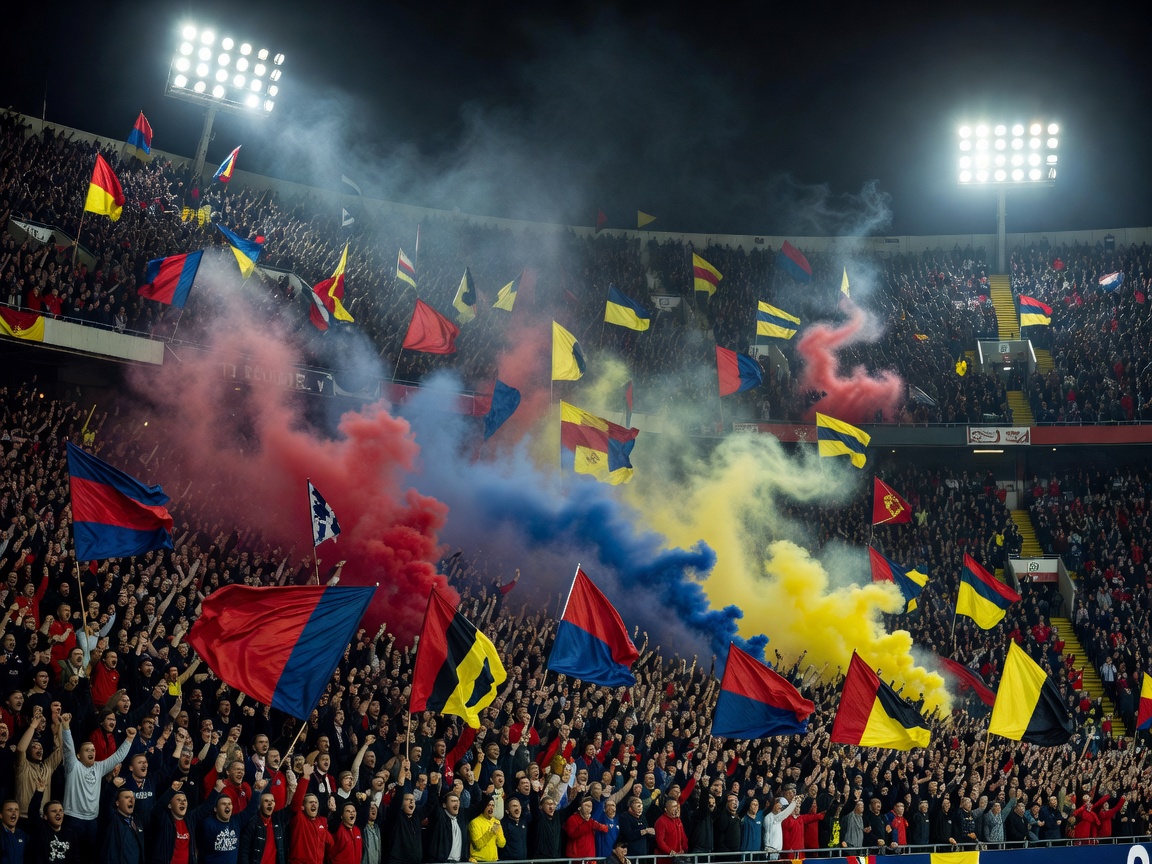
Why derbies carry different weight
October is an especially interesting time for domestic derbies because the season has enough history to sharpen local tension without yet closing down possibility. A poor start can still be corrected, but a derby loss already feels like evidence. A win can steady a club after difficult European travel or push a good start into something supporters begin to trust.
Across Europe, rivalry fixtures vary widely in history and political texture, but they share one trait: ordinary league logic bends around them. The Derby della Madonnina between Inter and Milan, the Rome derby between Lazio and Roma, the Old Firm meeting between Celtic and Rangers, clashes involving Galatasaray, Fenerbahçe and Beşiktaş in Istanbul, or major Madrid derbies all bring layers that extend beyond form tables. The football remains central. The setting changes the pressure.
What changes on the pitch
Derbies often compress the game. Players release the ball earlier, challenges carry more emotion and coaches weigh control against the risk of appearing passive. A technically stronger side may still dominate possession, but it is less likely to enjoy the same rhythm it would find against a lower-stakes opponent. Pressing actions become more aggressive, tactical fouls arrive sooner and refereeing decisions feel heavier because every small turn can trigger the crowd.
This does not always produce open football. In fact, some of the most charged derbies become tactically cautious for long stretches. Nobody wants to offer the first clear mistake. When the breakthrough finally comes, the match can change speed very quickly. That contrast between tension and release is one reason these fixtures feel different in the stadium and on screen.
October adds another layer because many derby participants are also juggling European commitments. Rotation decisions, recovery time and bench depth can leave a side either fresher than expected or oddly flat. In that sense, derbies can reveal whether a club's squad structure is robust or merely glamorous.
City context matters as much as the badge
For a travelling supporter or neutral visitor, the host city shapes the derby experience well before kick-off. Milan and Rome offer deep football context inside cities already built for short-break visitors, but that convenience can disguise heavy demand around transport and accommodation. Glasgow has a compact intensity on major matchdays that changes how the city feels. Istanbul offers scale, energy and complexity at once, with travel times that can look manageable on paper and expand quickly in practice.
This is why a derby should not be chosen on reputation alone. Ask how the stadium connects to the city, whether post-match movement is straightforward, and how much of the local atmosphere is visible without a ticket. Some fixtures have world-famous names but are difficult short trips. Others are less globally branded and easier to experience fully.
How to compare derbies without flattening them
It is tempting to rank rivalries as if they all promise the same thing in different colours. That misses the point. The Milan derby can be shaped by tactical quality and title implications. The Rome derby often feels more combustible, with emotion pressing close to every decision. The Old Firm sits inside a rivalry framework so established that the wider social context is impossible to ignore. Istanbul's major rivalries can combine scale and hostility in ways that make travel planning and matchday movement especially important.
A better comparison uses criteria rather than a ladder. Consider tactical quality, local atmosphere, logistical ease, ticket difficulty and whether the fixture sits near other worthwhile football or city experiences. One derby may score highly for football detail and convenience, another for emotional force and civic scale. The right choice depends on what you want from the trip.
Planning around a derby
If you intend to travel, prepare earlier than you would for an ordinary league fixture. Ticket demand, policing arrangements and transport pressure all tend to intensify. Even if you are not seeking to attend the match itself, the wider city can be busier than usual. Restaurant bookings, rail capacity and hotel pricing may shift around a major rivalry weekend.
It also helps to know that the richest derby experience may come from the surrounding hours rather than only the ninety minutes. Approaches to the ground, neighbourhood rituals and the way ordinary city movement changes on the day can tell you as much about the fixture as the tactical diagram does. That is part of the appeal, but it is another reason practical planning matters.
Why October is the right stage
At this point in the season, derbies sit at the meeting point of emotion and evidence. The table is no longer empty, but it is not decisive. European fatigue may be present, but winter attrition has not fully landed. The match still belongs to rivalry first, yet you can already read broader truths in it: whether a coach has earned trust, whether a squad handles pressure and whether a bright start rests on structure or mood. That blend makes October one of the best times to follow these fixtures closely.