Why these competitions can be the most varied
The Champions League concentrates prestige. The Europa League and Conference League spread interest more widely. That difference matters in October because variation is part of the appeal. The host cities, stadium scales, travel demands and squad approaches can change dramatically from one matchday to the next. A club from England or Spain may travel to a compact ground with a very different rhythm from a domestic league weekend. A side from Central or Eastern Europe may host visitors used to larger budgets but less used to the local conditions of the tie.
That breadth gives these competitions a distinctive texture. They are not lesser copies of the top tier. They are tournaments where coaching flexibility, travel handling and emotional control can matter as much as individual star power. For supporters, they are also where a carefully chosen trip can feel unusually direct and memorable.
Squad rotation is more revealing here
October is when rotation becomes a story in its own right. In the Europa League and Conference League, clubs often face a sharper choice between protecting league form and respecting the continental fixture. The issue is not simple neglect. For some teams, domestic qualification routes, relegation risk or title hopes make every weekend point feel heavier. For others, Europe may be the clearest path to a statement season or a place in the next campaign's bigger competitions.
That makes team selection worth reading carefully. A manager who rests both full-backs and the holding midfielder is sending a different message from one who changes only a winger and centre-forward. It also affects the match style. Pressing triggers can become less coordinated, build-up can slow down and set pieces grow in importance when the most familiar combinations are broken up.
Some clubs handle this balancing act better than others. Roma, Sevilla and Villarreal have all built reputations in European competition across different periods partly because they could treat these ties seriously without losing their shape entirely. West Ham showed how a club can turn continental matches into a strong part of its identity when the structure around the side supports it.
Cities and grounds shape the experience
One of the pleasures of these competitions is geographical variety. A trip may take you to a capital with efficient rail links and a large airport, or to a smaller city where matchday movement depends more heavily on buses, taxis or a long walk from the centre. That affects the practical value of a fixture, especially in October when supporters may try to fit football around a short break rather than a longer tour.
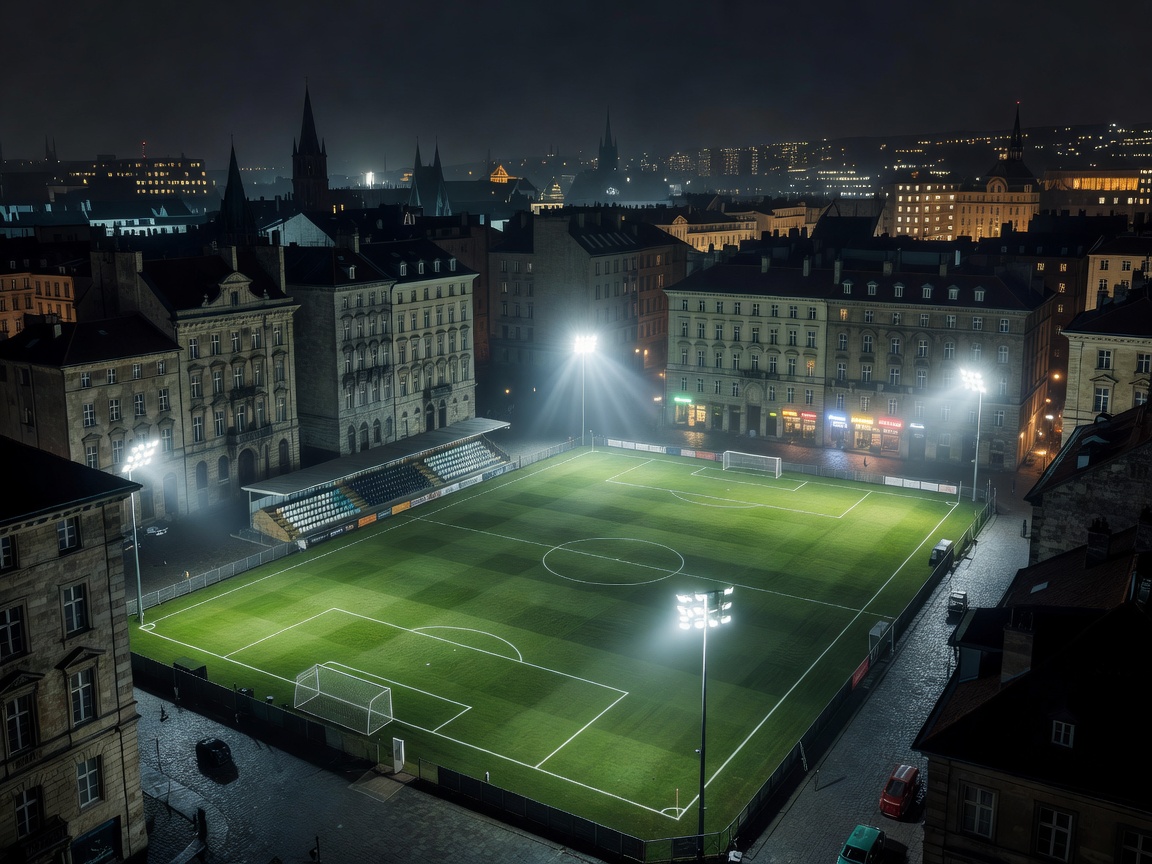
A compact ground can intensify the evening in ways a larger arena does not. Sightlines feel tighter. Noise reaches the pitch more quickly. The route from station to stadium can be part of the build-up rather than a distant logistical problem. On the other hand, famous clubs visiting modest settings can produce ticket pressure, heavier policing and less flexibility around last-minute plans. The charm of an unusual stop is real, but so is the need to check transit options carefully.
Style contrasts are often sharper
The football itself can be tactically rich because clubs arrive from leagues with very different assumptions. Some teams are comfortable defending deep and countering into wide spaces. Others want long periods of possession but do not always face aggressive pressing domestically. October is a good time to watch how those approaches collide because each side has had enough competitive matches to settle into a recognisable shape.
This is where the Europa League and Conference League reward patient viewing. A match between a technically stronger side and a physically intense underdog may not open quickly. The first half can be a long argument about territory, rest defence and dead-ball situations. That does not make it cagey in a dull sense. It makes it instructive. The later the game goes, the clearer the trade-off becomes between control and risk.
How to choose a trip or viewing target
Start with purpose. If you want the strongest football quality, look for a tie where both clubs treat the competition as strategically important. If you want atmosphere and novelty, a smaller ground in a football-heavy city may offer more than a grander name in a less convenient location. If you want a practical short break, prioritise airport access, late public transport and accommodation spread rather than badge value.
It also helps to think about the domestic fixture before and after the European night. A club facing a major derby at the weekend may rotate heavily. Another coming off a difficult away trip may start slowly. Reading the wider schedule does not tell you the result. It does tell you what kind of match might emerge.
Why October is the best lens
Earlier in the season, these competitions can still feel like sorting rounds. Later on, the drama can become obvious enough that everyone reads it the same way. October sits in the useful middle. Stakes are present, but interpretation still matters. You can see where clubs are serious, where they are stretched, and where a city-and-stadium combination turns a midweek trip into something far more memorable than the hierarchy of the competition might suggest.